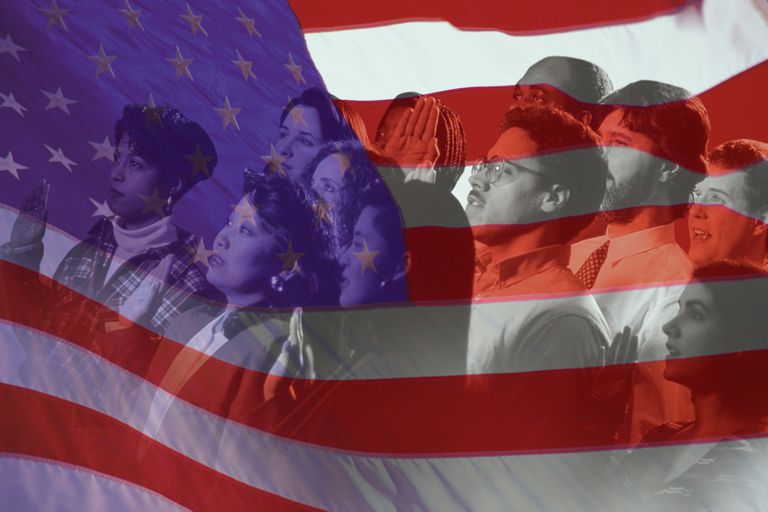
Immigrants for the longest time have and had the propensity to naturalize. However, throughout periods of time, it is evidently seen that naturalization has been difficult for immigrants to have access to citizenship due to discrimination and corruption within the system.
Naturalization, by definition, is the process by which US citizenship can be granted to a non-citizen. This individual must fulfill the requirements established by Congress in the Immigration and Nationality Act. With naturalization, new citizens have political influence and mobility in a new country.
The United States, a nation created by immigrants, as Dorothee Schneider discusses in her book, Journal of American Ethnic History, tried to welcome “millions of immigrants from many parts of the world and make them part of the fabric of American citizenry.” (Schneider, Page 1) Through Schneider’s factual text, it’s seen that the US at early age attempts to increase the number of its citizens through the process of naturalization in order to create a nation that could prosper with valuable citizens.
During the first period of developing a restrictive selection of who is granted naturalization, the process was fairly simple. The Naturalization Act of 1970, the policy that gave non-citizens the chance for American citizenship was regulated for the first time. This policy only had two basic requirements; to be a ‘free white person and prove two years of continuous residence in the US.” (Schneider, Page 3) At this period of time, naturalization was accessed by white immigrants, but it quickly changed after the Civil War Amendments, also known as the Thirteenth, Fourteenth and Fifteenth Amendments, were established. These Amendments would help individuals exercise these rights to the fullest degree because it became the “central to American political life,” (Schneider, Page 3) as Schneider states.
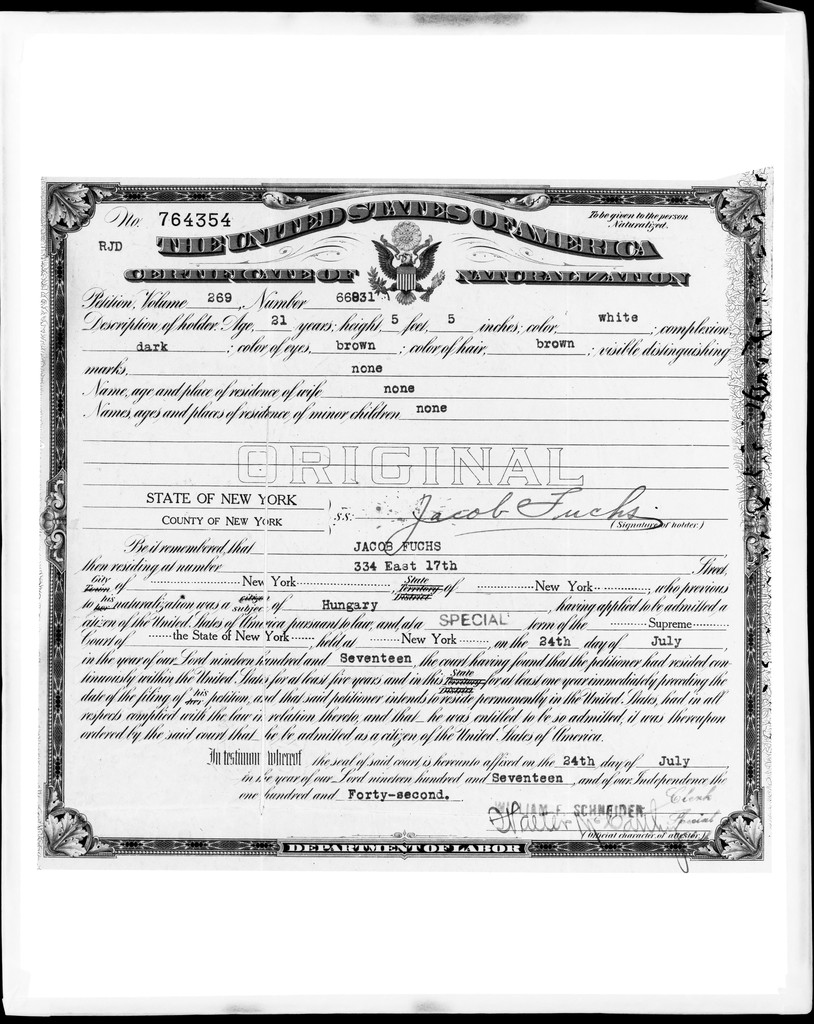
Through these rights, African descents became eligible for naturalization, In addition to that, the Treaty of Guadalupe Hidalgo, former citizens of Mexico who resided in the new territory of the United States became full-fledged citizens in 1848. However, Schneider discusses how other people from other nationalities were discriminated against; Chinese immigrants were “declared to be racially unsuited for American citizenship.” (Schneider, Page 2) Not only were Chinese immigrants discriminated but in 1840, Irish immigrants were going to be excluded from naturalization; the organic network to exclude immigrants groups from naturalization in disproportionate numbers was seen clearly unjust. The problematic racial selection to naturalization was thrown out when naturalization was regulated by Federal laws in the nineteenth century.
It was evidently seen that those who weren’t seen fit to be US citizens were unfairly denied naturalization, but on top of discrimination in the system, there was also corruption. The Federal Government had no control over the naturalization process and because naturalization was only regulated by-laws, meaning that the local and state court administrated the process. During this time, the Democratic party, the party that was politically dominant, used this system to their advantage. Schneider explains that “only immigrants who were likely to be of benefit to a larger political party as future voters could get help into naturalization.” (Schneider, Page 5) After becoming a citizen, their voting privileges strengthen and could continue to make the Democratic political party stronger. Those who were unlikely to vote for Democrats, e.g those who sided with Republicans or other political parties, had a small chance to become naturalized. In addition to that, in the late nineteenth century, naturalization hearing was conducted by judges and these judges would accept hundreds of petitioners as newly ‘admitted Americans in a single day.’ However, those who weren’t assigned to a sympathetic judge, faced challenges, “as to the veracity of their information, their knowledge of English, or qualification of their witnesses.’ (Schneider, Page) Discrimination and corruption were seen as an issue, in the early twentieth century, and the Federal took control over naturalization to reform it to have a “rationalize, centralize system of administration.” (Schneider, Page 5) Therefore, the Naturalization Act of 1906 was regulated and unified naturalization procedures and established Divisions of Naturalization under the Federal Bureau of Immigration and Naturalization. The system that we have today.
This level of regulations increased by checking petitions of potential citizenship candidates before recommending it for court approval and more. Many restrictions were put into action after the Naturalization Act of 1906 was enforced, and through the Commissioner of Natiralization’s statistical information of all the records of naturalization it’s seen between 1912-1914 and 1919-1925 there was a dramatic increase in grants of naturalization but as time progresses it decreases because of new regulations.
Walking through the topic of naturalization and its history with discrimination and corruption, its fair that the new reform helps balance and rationalize ‘the administration of citizenship,’ however I believe that there are still invisible forces within our current administration to deny immigrants naturalization. One current example of this is the Justice Department has created an official selection in the immigration office to strip citizenship right from naturalized immigrants. This as the BrownIssues account on Instagram states, ‘gives more heft to the Trump Administration’s broad efforts to remove from the country immigrants who have committed crimes.” While the Denaturalization Section’s purpose is to bring justice to those who have committed atrocious crimes it raised alarms for those who have committed not so serious. It’s one thing of wanting to have restrictions to have a balanced and controlled system but it’s another when the administration is targeting immigrants.
 Site Title
For starters, this is an excellent blog post. I think you used diverse sources well and introduced some elements of Naturalization that I would have never known. In particular, when you mentioned some immigrants were denied citizenship based on their political profile, whether or not they’d vote democrat in upcoming elections, is fascinating. Most people associate stronger immigration laws with the Republican party and more amnesty with the Democrats, but even when pathways are opened to citizenship, politics in general creep into the decision-making process. As a general question, do you think the government should have the right to remove illegal immigrants from the country? Criminals and drug lords coming from over the border? Is there a line between removing criminals and normal citizens? Taking all these into consideration, I’d be especially interested to know what you think border policies should be, and more general, immigration policy so that the government can’t deny immigrants based on moral, religious, or even political differences. Well done, I’ll be sure to read more on this topic!
LikeLike
Overall, this blog post was very interesting in demonstrating the history of the naturalization process in the United States. Because so much has changed over the history of the United States, it is interesting to read about the broadening of who could become a U.S. citizen. With so many people being immigrants, including all of my family and relatives, it is interesting to think about at which point in U.S. history my parents would not have been qualified to gain U.S. citizenship. Regarding your last remark on who could gain or lose citizenship, what is your take to this and what would you do differently than what the U.S. currently does? Such thinking would enable change in the current neutralization process because it should be American’s deciding what is the criteria of becoming a citizen.
LikeLike
It is a good post and the information in this post is new for me. There are a lot of resources you use in this post which can make your blog more credible. By reading your post, I know the history of naturalization, the change of immigration policy and the injustice of immigration policy. Also, you point out some questions about naturalization and give your own opinion. I would like to read more about your topic.
LikeLike
Coming from a background of immigrants this blog is very significant to me as I can definitely relate to it on a personal level. Explaining what naturalization is to those who are not aware is super important in my opinion. A lot of Americans do not realize that immigrants face a lot of hardships when the majority of them truly mean no harm. A lot of people are also not very well educated on this topic and do not know how difficult it is for an immigrant to get citizenship. A thought that comes to mind is where you stand as an individual in relation to this topic. From reading you seem very informed and well educated on this topic it is noticeable that you are passionate about what you are writing about.
LikeLike
It is clear that you spent a large amount of time researching the topic. The amount of effort you put into both researching and incorporating images and knowledge into the blog post is nothing short of outstanding. I also think you did a great job of incorporating facts and knowledge and then using those to create your argument is extremely persuasive. The topic as a whole is very interesting. I had no clue that the system was so “rigged” in the sense that the political party in power had such a large say in the naturalization process. Overall a really refreshing post.
LikeLike