Be yourself; Everyone else is already taken.
— Oscar Wilde.
This is the first post on my new blog. I’m just getting this new blog going, so stay tuned for more. Subscribe below to get notified when I post new updates.
Be yourself; Everyone else is already taken.
— Oscar Wilde.
This is the first post on my new blog. I’m just getting this new blog going, so stay tuned for more. Subscribe below to get notified when I post new updates.
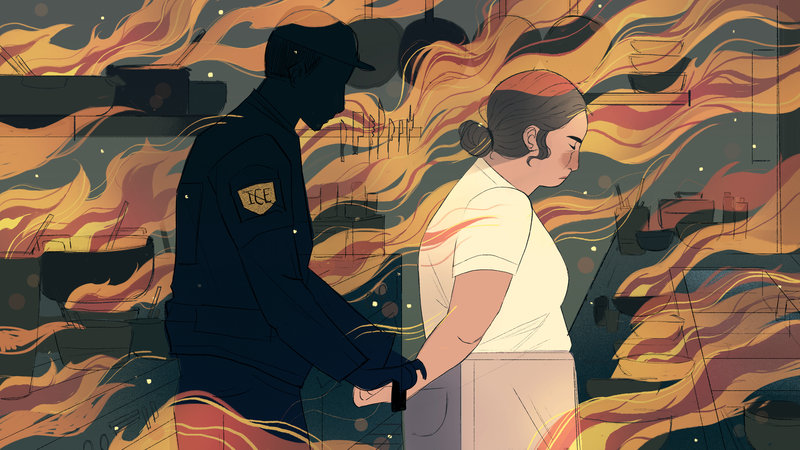
Citizenship, by definition, is the position or status of being a citizen of a particular country. Many immigrants endure the epidemic of being in immigration limbo. With politicians debating over border security and immigration, it is evident that the American immigration system doesn’t value fairness and equality. Historically, the United States has enacted restrictive exclusionary laws that have and continues to selective who’s socially acceptable to become an American.
The concept of citizenship, in theory, is a variable of a social construct. Citizenship is society’s recognition of political equality. A citizen is entitled to exercise their rights to the fullest degree and fulfill certain obligations. Over the years, the majority of Governments approach citizenship with a Focloaudian orientation claim where citizenship shapes the identity of one and forms subjectivity. This renders inclusion and exclusion because undocumented immigrants who reside in the US, are not likely to receive citizenship status even when they adopt the values of a group. (source)
The idea of citizenship creates a metaphorical border between those who are citizens and those who aren’t. Putting such limitations on residents in nations, is an ideology created by Governments. In her book, Impossible Subjects: Illegal Aliens and the Making of Modern America, Mae M. Ngai examines the history and contours of restriction on the entrance in a nation to undocumented people. Those who don’t have legal status in the United States are subjects that are never able to embark on the path to citizenship. Ngai states that “these trends are all evident in impossible subjects, in its analysis of the production of racial knowledge and national identity, the construction of the border, and the influence of colonialism on migration policy.” (Ngai) By constructing all these invisible borders, American culture has entrenched the tradition of exceptionalism; the idea that the US has is superior to all and will be making a huge difference in the world. As well, this way of thinking and being, encloses the community to a limitation of self-naming and subjectivity. There’s no concept of diversity in any of this but rather implicates citizenship is carefully orchestrated in order to proser.
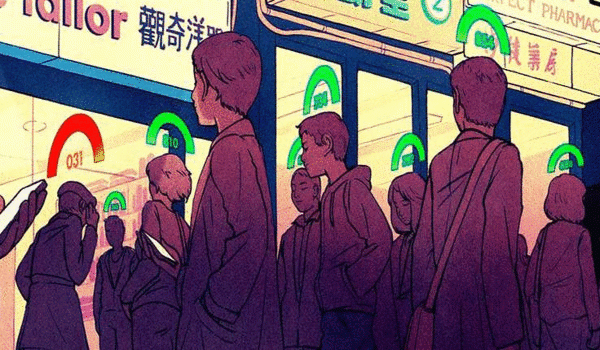
I have always considered myself an American even though I don’t have proper documentation. I comfortable with my personal self-cultivation, however, the Government would never fully acknowledge this. I am saying almost never because they know that there are many undocumented immigrants in the US who are willing to do anything in order to live the American Dream. The American Dream is an idea that is sold to foreigners to feel like it’s something they need. It’s said that if you want to be rich, the United States is the place to go to accomplish it. The idea of the United States was built upon the principle and practice where it accepts immigrant inclusion, however, normalizing immigrants who have no proper documentation and exploiting them to rigorous work for economic purposes is atrocious. Casting illegal immigrants and making them live in the shadows of a liberal society show how these are subjects that are in the “presence in s social reality yet a legal impossibility.” (Ngai)
Everywhere you go, immigrants are there. They are your janitors, teachers, scientists, peers, friends, etc. If these 12 million undocumented people ever got the chance of ever becoming citizen they would impact the political orientations in order to shape and develop the underrepresented groups. The United States offers great respect for humanity with equal rights for all but at the same time, it’s highly punitive when it creates materialistic and invisible borders to exclude groups. In No Borders, Indigenous Sovereignty, Dylan Miner questions why we have borders that construct the idea that one must be accepted in to feel included. Miner suggests that we should create “worlds without limitation and commerce building new worlds- based on the teaching of the ancestors that is not overdetermined or delimited by settler-colonial and capitalist constraints.” (Miner) Suggesting that we should come an agreement to abolish these materialistic and spiritual borders and think beyond them in order for us to be seen as a whole and prosper together. While I do agree that the idea of citizenship is overdetermined by the Government to control society, I don’t believe we are at the point where everyone is educated enough to see the inequality and unjust of this idea. There are so many citizens who don’t understand how privilege they are to vote and exercise their rights to the fullest degree. It’s within the power of those who are educated and informed to teach others about the complexity of immigration because the country is for the country and not by the government.
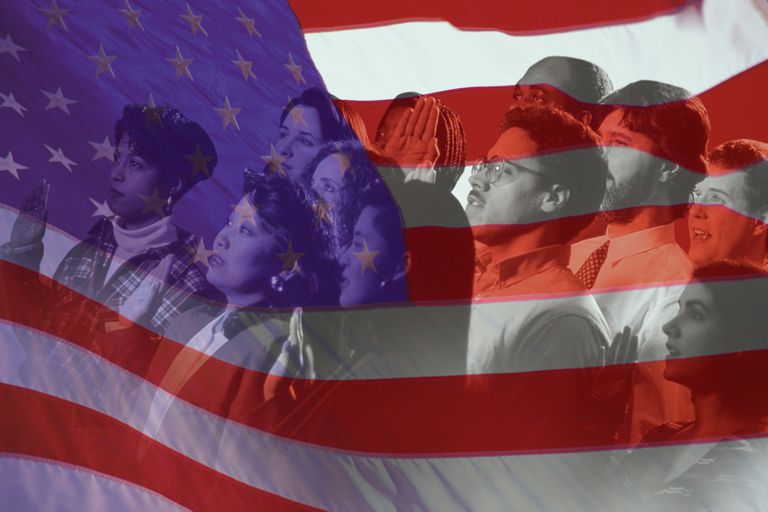
Immigrants for the longest time have and had the propensity to naturalize. However, throughout periods of time, it is evidently seen that naturalization has been difficult for immigrants to have access to citizenship due to discrimination and corruption within the system.
Naturalization, by definition, is the process by which US citizenship can be granted to a non-citizen. This individual must fulfill the requirements established by Congress in the Immigration and Nationality Act. With naturalization, new citizens have political influence and mobility in a new country.
The United States, a nation created by immigrants, as Dorothee Schneider discusses in her book, Journal of American Ethnic History, tried to welcome “millions of immigrants from many parts of the world and make them part of the fabric of American citizenry.” (Schneider, Page 1) Through Schneider’s factual text, it’s seen that the US at early age attempts to increase the number of its citizens through the process of naturalization in order to create a nation that could prosper with valuable citizens.
During the first period of developing a restrictive selection of who is granted naturalization, the process was fairly simple. The Naturalization Act of 1970, the policy that gave non-citizens the chance for American citizenship was regulated for the first time. This policy only had two basic requirements; to be a ‘free white person and prove two years of continuous residence in the US.” (Schneider, Page 3) At this period of time, naturalization was accessed by white immigrants, but it quickly changed after the Civil War Amendments, also known as the Thirteenth, Fourteenth and Fifteenth Amendments, were established. These Amendments would help individuals exercise these rights to the fullest degree because it became the “central to American political life,” (Schneider, Page 3) as Schneider states.
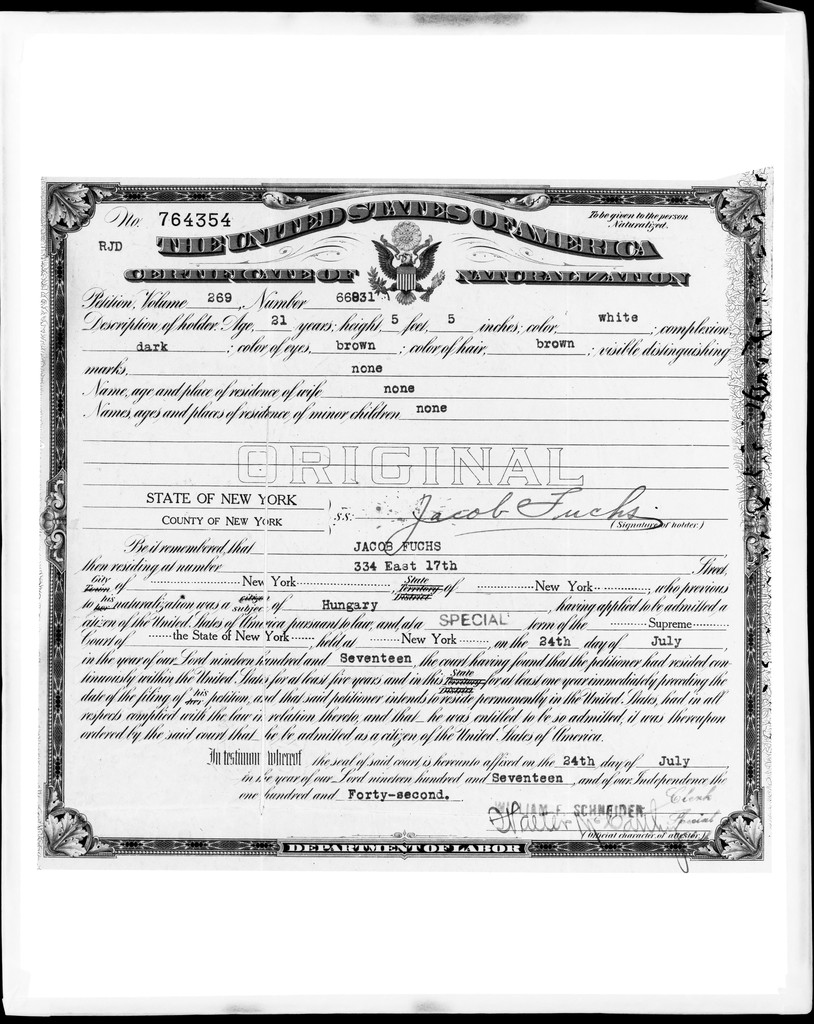
Through these rights, African descents became eligible for naturalization, In addition to that, the Treaty of Guadalupe Hidalgo, former citizens of Mexico who resided in the new territory of the United States became full-fledged citizens in 1848. However, Schneider discusses how other people from other nationalities were discriminated against; Chinese immigrants were “declared to be racially unsuited for American citizenship.” (Schneider, Page 2) Not only were Chinese immigrants discriminated but in 1840, Irish immigrants were going to be excluded from naturalization; the organic network to exclude immigrants groups from naturalization in disproportionate numbers was seen clearly unjust. The problematic racial selection to naturalization was thrown out when naturalization was regulated by Federal laws in the nineteenth century.
It was evidently seen that those who weren’t seen fit to be US citizens were unfairly denied naturalization, but on top of discrimination in the system, there was also corruption. The Federal Government had no control over the naturalization process and because naturalization was only regulated by-laws, meaning that the local and state court administrated the process. During this time, the Democratic party, the party that was politically dominant, used this system to their advantage. Schneider explains that “only immigrants who were likely to be of benefit to a larger political party as future voters could get help into naturalization.” (Schneider, Page 5) After becoming a citizen, their voting privileges strengthen and could continue to make the Democratic political party stronger. Those who were unlikely to vote for Democrats, e.g those who sided with Republicans or other political parties, had a small chance to become naturalized. In addition to that, in the late nineteenth century, naturalization hearing was conducted by judges and these judges would accept hundreds of petitioners as newly ‘admitted Americans in a single day.’ However, those who weren’t assigned to a sympathetic judge, faced challenges, “as to the veracity of their information, their knowledge of English, or qualification of their witnesses.’ (Schneider, Page) Discrimination and corruption were seen as an issue, in the early twentieth century, and the Federal took control over naturalization to reform it to have a “rationalize, centralize system of administration.” (Schneider, Page 5) Therefore, the Naturalization Act of 1906 was regulated and unified naturalization procedures and established Divisions of Naturalization under the Federal Bureau of Immigration and Naturalization. The system that we have today.
This level of regulations increased by checking petitions of potential citizenship candidates before recommending it for court approval and more. Many restrictions were put into action after the Naturalization Act of 1906 was enforced, and through the Commissioner of Natiralization’s statistical information of all the records of naturalization it’s seen between 1912-1914 and 1919-1925 there was a dramatic increase in grants of naturalization but as time progresses it decreases because of new regulations.
Walking through the topic of naturalization and its history with discrimination and corruption, its fair that the new reform helps balance and rationalize ‘the administration of citizenship,’ however I believe that there are still invisible forces within our current administration to deny immigrants naturalization. One current example of this is the Justice Department has created an official selection in the immigration office to strip citizenship right from naturalized immigrants. This as the BrownIssues account on Instagram states, ‘gives more heft to the Trump Administration’s broad efforts to remove from the country immigrants who have committed crimes.” While the Denaturalization Section’s purpose is to bring justice to those who have committed atrocious crimes it raised alarms for those who have committed not so serious. It’s one thing of wanting to have restrictions to have a balanced and controlled system but it’s another when the administration is targeting immigrants.
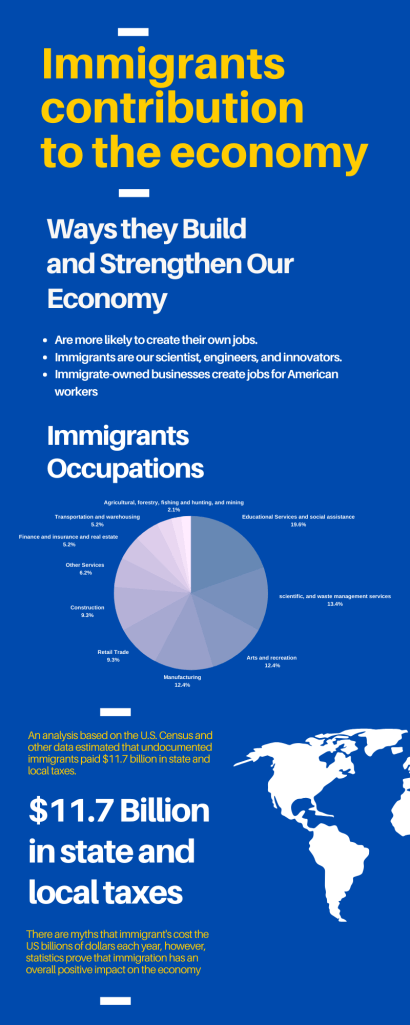
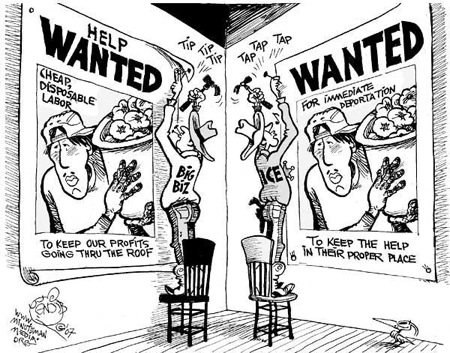
“America’s Immigration system is outdated, unsuited to the needs of our economy and to the values of our country. We should not be content with the laws that punish hard-working people and deny businesses willing workers and invite chaos at our borders.” George W. Bush, February 02, 2005.
My parents came to the US from Mexico, and I recall very vividly they would work day and night to provide food and shelter for my sibling and I. Up till today, the turmoil of being threaten by employers and being caught by ICE at work for having fake documents is my worst nightmare. My parents are noble people, but everyday they have to make sacrifices of working for us. Just like my parents, there is 12 million undocumented families in the US, who are not authorize to work and can be an easy target by the Government.
In his article, “The Economics and Policy of Illegal Immigration in the United States,” Gordon H. Hanson explains thoroughly how policymakers across the political spectrum agree that illegal immigration is an ‘indictment’ in current immigration policy regimes, but won’t change their regulation because cheap labor from unauthorized workers generates inflows to the US economy.
By tacitly permitting these people to come into the US illegally, the Government becomes overwhelmed with amounts of people who have no legal status and like Hanson states, “the obvious downsides of such a system include limited government control over national borders and the insecurity and abuse to which unauthorized migrants are often exposed.” Repulsively, The Government is inferior to unauthorized workers in order to financially benefit from them.
It’s upsetting to know that the American immigration system is profoundly broken, yet policy makers won’t aim for a more constructive immigration policy which both parties could benefit from. The Government is failing these people just to limit their fiscal cost and keep their spending at a limit. These people need to get equal pay and not be mistreated by their employers because they are human beings as well that need to be able to make a living for themselves and their families.
Hanson suggests more profitable policies that I believe the US economy can benefit from and effectively give unauthorized workers a way to work without being underpaid and mistreated. He states that the these policies would be designed to:
These policies right here are fair game and justice in order for this capitalist country to stop exploiting undocumented citizens for their financial gain.
Since 2001, America’s immigration system has made it their mission to target unauthorized workers within the country. Coming from a predominant hispanic community, I see many people getting caught by ICE at work. Since undocumented people are not authorized to work, they use fake documents to apply for jobs to provide for their families. Our current administration sees the problem and is trying to find a different way to run potential hires through an internet portal that checks and distinguishes those who are actually able to work and those who use fake documents. (source) While this can help prevent people from lying, I believe this is not the right solution to stop immigrants from coming and can possibly hurt the economy.
It’s time for American immigration to reconstruct their policies for the benefit of the 12 millions of individuals who have come to the United States looking for an opportunity to work. It’s a complex situation that the Government made for themselves because they have been exploiting these workers yet they have made policies to prevent unauthorized workers from working in order to keep inflow coming in. It’s time for them to let go of their ideas as a capitalist country and reinvent themselves.

Last week, I had to use the AB540 center, located in the student center at the University of California Davis, to get a free legal consultant to renew my DACA. They took all my anxiety away by helping file and receive federal funds to waive my application fee. Not only that but they gave me a free consultation to see if I was eligible for any special relief. I have never heard of all these types of reliefs in my life but one that stood out to me the most was the Special Immigrant Juveniles.
The Special Immigrant Juvenile Status, also known as SIJS, was crafted by congress to classify certain individuals who have been subjected to state juvenile court proceeding related to abuse, neglect, abandonment, or a similar basis under state law to receive lawful permanent residency as a relief for the turmoil. (source)
In order to eligible for SIJS, an individual must be:
With this relief, a dependent cannot be reunified with one or both parents and as well it wouldn’t be in the dependent’s best interest to return to the country of their original nationality because of the abuse. This legislation is often convenient for dependents who have lived in the US their entire life. A relief like this one, can help them from being placed in a foriegn country with no means of legal stability or support to build a life.
Jean Toussaint, a seventeen year old child from Haiti has never known his father and was given up by his mother at a young age. At the age of six, he moved to the US and lived with his aunt. However, when Jean was 11 the Florida Department of Children and Families removed him from his aunt’s care because she had been abusive and neglectful to him. They placed him in under state custody in the foster care system and from there on he was eligible for SIJ because the court terminated the rights of both parents in 2003. (Source)
There are so many kids like Jean, who have been neglected by their caregivers, but do not know about SIJS. They have to be fortunate enough to have heard of it because sometimes they age-out and become ineligible. In a Law Journal Database, I have found that 8,000 unaccompanied minors are in the custody of DHS, but 660 minors have been granted SJIS. (Source) It’s absurd that the Department of Homeland and Security has neglected to aware people who are eligible for this SIJS mandate. When I was searching up SIJS, it took me a couple of searches to find it. I was fortunate to have a consultant who educated me a little bit of SIJS, however, It’s solely the duty of the government to spread SIJS in a more efficient way in order for eligible individuals to take advantage of the benefits that comes with this mandate.
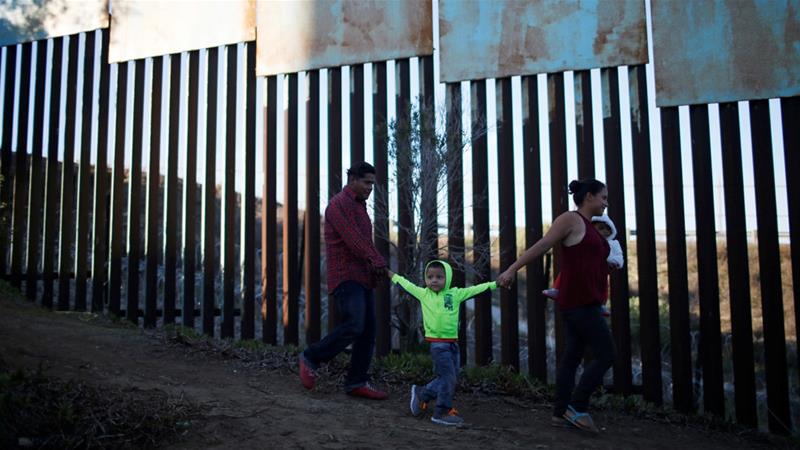
Until the United States establishes and articulates clear rules, the crisis at the border will continue. – David Frum
Frum, David. “America’s Asylum System Is Profoundly Broken.” The Atlantic, Atlantic Media Company, 3 July 2019.
In my Spring quarter of my freshman year, my Chicanx 60 professor introduce to us to a movie called, Sin Nombre. If you haven’t heard or watched this movie, I recommend it because it’s about a young Honduran girl name Sayra who undertakes a dangerous journey by train to seek asylum in the United States. Cary Joji Fukunaga, the director of this film, spent two years riding on trains with people from Central America to gain perspective of what these people have to go through when they escape the danger of their homelands.
With all the chaos that has been happening around the world, people seek help to escape war, torture, and persecution. Asylum, grants people who have come to the United States, legal protection. Each year the American Immigration system lets in a million people legally. However, petitioning for asylum does not grant a promising plan because many are commonly rejected.
Like Sayra, Yareni and her four-year old left Guatemala after receiving death threats. Guatemala is filled with poverty and violence, including homicide related to gang rivalry and organized crime. Yareni and her son went through Mexico before arriving to the United States in hopes of asylum. (source)
After being separated, Yareni and her son faced the “zero-tolerance” immigration policy. This policy by Trump and his administration, have criminally persecuted immigrant parents traveling with their children and force them to be separate. Yareni was detained in a detention facility in Texas, while her son was transferred to a facility in Arizona. They were reunited seven weeks after being separated by border agents.
Consequently, because Yareni’s son had to go through such turmoil, it caused bed-wetting, nightmares, and separation anxiety.
The United States, is failing ethically to protect these people who fled their homes for safety.
With the understanding that the United States’ goal is to limit the overwhelming amount of immigrants who enter our borders legally, the administration has created inhumane methods to drive refugees away. Many of these people have credible claims to seek asylum but have been criminalized. (source)
David Forum, writer of, “The Asylum Profoundly Broken,” has opened a conversation about the American asylum and the impossibilities of ever obtaining protection one desperately needs. Those who seek asylum, end up dropping their case because it wasn’t legible for asylum, and those who are admitted never get to fill an application.
Many escape difficult circumstances, in search for better opportunities, but the complexity of US law and immigration policies prevent people from ever achieving that. Since 2017, the federal government has enforced more policies to end asylum. I understand that we can’t take every asylum seeker that comes to our national door, but it is the responsibility of our international communities to contribute and give these people a place where they can feel safe and secure.

The United States is the homeland of economic opportunities to 11 million people and counting. People have entered the US each day to seek a better life, however, their lives fall under the immigration predicament where their “illegal” status can send them right to where they began. Many wonder why these people wrongfully cross our border when there is a system that is enforced. Well, our American immigration system in the past and and to this day, have made it overwhelmingly difficult for these people to ever gain citizenship. When analyzing these undocumented citizens and their cases, it can be seen that the odds of ever becoming a citizen are not in their favors.
In 1790, citizenship was restricted to all “aliens” except “free whites” by the Nationality Act. It wasn’t until 1952, when Congress enacted the McCarran-Walter Act, which allowed all “non-white immigrants” a path to citizenship. Since then, naturalization has been the process that can grant U.S. citizenship to a “foreign citizen or national” after they fulfill requirements by the Immigration and Nationality Act.
Although it’s great that we went from only whites being granted citizenship to all foreign citizens, only a small amount of citizens are able to live in the United States with legal status. This is because the process to fulfill the requirements of the Immigration and Nationality Act are hand-selected. They look at the country you were born in, level of education one has and more.
Being an undocumented citizen, it’s been difficult to live in a country where my life depends on pieces of paper. Under the new American immigration policy, Deferred Action for Childhood Arrivals (DACA), it allows individuals who were brought here illegally at a young age a two-year period of deferred action of deportation. This policy has given me a social security and work authorization card but does not provide a path to permanent residency and up till today there is no law allowing an individual to apply for a green card on the basis of having DACA. (source)
There have been political leaders such as Obama, who have signed executive orders to create DACA, and there have been other leaders like Trump who want to abolish these types of immigration policies to prevent more people to come in.
On March 5th of 2018, Trump and his administration signed an executive order of the rescission of DACA, leaving seven thousand dreamers unprotected from deportation. However, the Supreme Court overruled it and postponed it. In The Hill article, Emma Winters argues that Trump, “has made strenuous efforts to impede the naturalization process and undermine citizenship to gain more secure and permanent legal status…” (Source) An example of this would be the termination of DACA, as well as raising the prices of US citizenship applications. “The administration has made it clear that anyone living in the country illegally, even for a very long time, and no matter how upstanding, is fair game for removal…” (Source)
As a country, we’ve been proud to tell our kids that this country was built by immigrants in the early 16th century, yet, in today’s society we don’t allow people to come in because our bigoted president has put them in a bad light and has indoctrinated us to feel a certain way about them. Our immigration system has made it difficult to embrace undocumented people, especially, when there are obstacles that administration has built to prevent them to achieve the American dream.
This is an example post, originally published as part of Blogging University. Enroll in one of our ten programs, and start your blog right.
You’re going to publish a post today. Don’t worry about how your blog looks. Don’t worry if you haven’t given it a name yet, or you’re feeling overwhelmed. Just click the “New Post” button, and tell us why you’re here.
Why do this?
The post can be short or long, a personal intro to your life or a bloggy mission statement, a manifesto for the future or a simple outline of your the types of things you hope to publish.
To help you get started, here are a few questions:
You’re not locked into any of this; one of the wonderful things about blogs is how they constantly evolve as we learn, grow, and interact with one another — but it’s good to know where and why you started, and articulating your goals may just give you a few other post ideas.
Can’t think how to get started? Just write the first thing that pops into your head. Anne Lamott, author of a book on writing we love, says that you need to give yourself permission to write a “crappy first draft”. Anne makes a great point — just start writing, and worry about editing it later.
When you’re ready to publish, give your post three to five tags that describe your blog’s focus — writing, photography, fiction, parenting, food, cars, movies, sports, whatever. These tags will help others who care about your topics find you in the Reader. Make sure one of the tags is “zerotohero,” so other new bloggers can find you, too.

 Site Title